Energy Management System · Malaysia
Monitor energy, air, water and cooling from one platform. Get an alert before a TNB peak sets your bill. Standalone, or over your existing BMS.
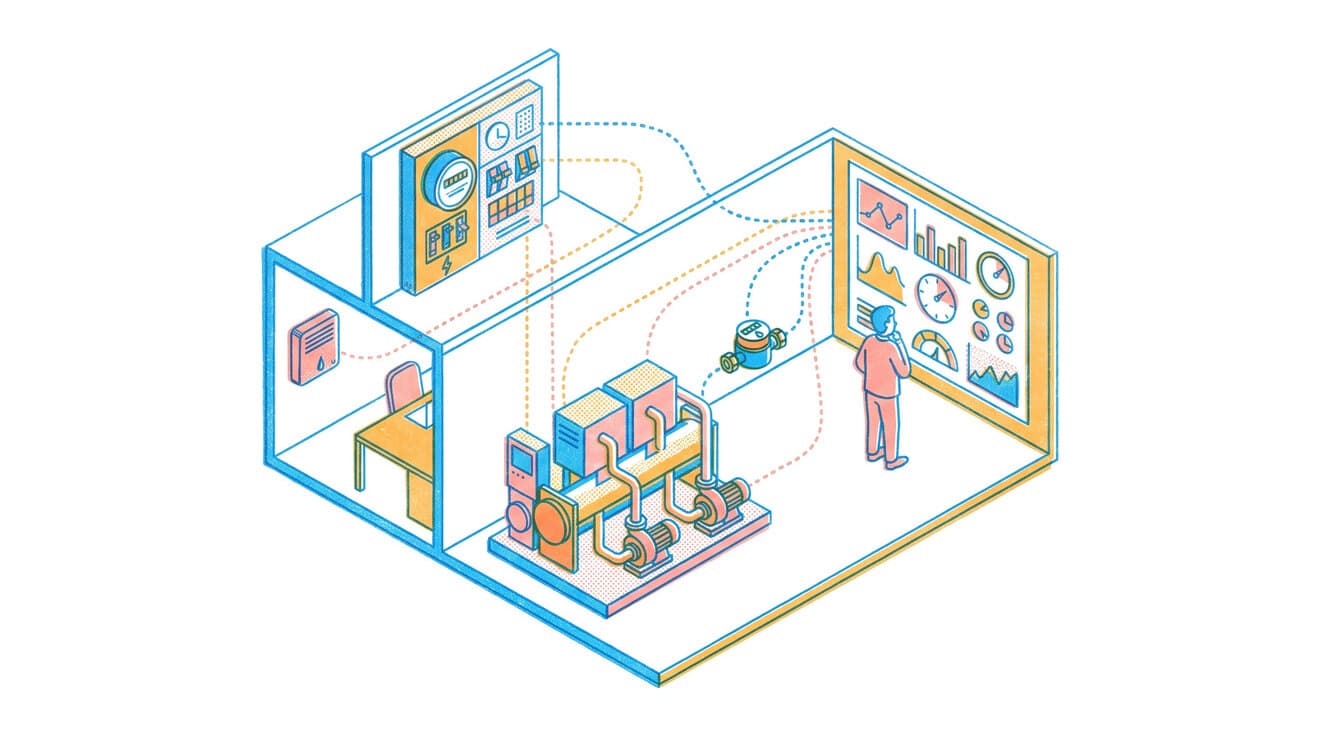
Cobler is a Malaysian energy management system (EMS) provider. Our platform, CobiNeural, meters and monitors energy, indoor air quality, water and chilled-water performance across your buildings. It alerts your team as demand builds, so they can shave the peak that drives your TNB bill. It deploys standalone or on top of an existing BMS, and gives your team the audit-ready data that EECA 2024 and ISO 50001 now require.
Trusted
Definition
An energy management system (EMS) is a combination of metering, software and controls that continuously measures how a building or facility uses energy, and acts on that data to cut waste and cost. A modern EMS does three things: it meters consumption in real time, it monitors performance against a baseline, and it controls equipment to keep demand and cost down. In Malaysia, an EMS is also how large buildings and industrial sites meet the Energy Efficiency and Conservation Act (EECA) 2024 — which requires a documented energy management system and regular reporting.
| Building Management System (BMS) | Energy Management System (EMS) | |
|---|---|---|
| Primary job | Run equipment (HVAC, lighting) to schedule | Cut energy cost and prove efficiency |
| Focus | Comfort and operation | Consumption, demand and savings |
| Data | Live status, on/off | Metered energy, baselines, EnPIs, audit trail |
| TNB peak demand | Not managed | Tracked, with alerts before a new peak |
| Compliance | Not designed for it | EECA / ISO 50001 reporting-ready |
You don’t have to choose. CobiNeural runs standalone, or sits over an existing BMS and adds the energy data and demand alerts a BMS was never built to provide.
Why now
As of 1 January 2025, the Energy Efficiency and Conservation Act (administered by Suruhanjaya Tenaga) requires large energy users to run a documented energy management system and report on it. It captures energy consumers using ≥ 21,600 GJ/year (roughly RM2.4M/year in electricity) and commercial buildings of ≥ 8,000 m². Captured sites must appoint an in-house Registered Energy Manager, implement an EnMS (ISO 50001 or EMGS), and complete an energy audit within 12 months, repeated every 5 years. Penalties reach RM100,000. Applies to Peninsular Malaysia and Labuan; Sabah and Sarawak legislate separately.
Since 1 July 2025, your demand charge is billed on the highest 30-minute average demand (kW) each month, at RM89.27/kW (Medium Voltage General) or RM97.06/kW (Medium Voltage Time-of-Use). One 30-minute spike sets the charge for the whole month. Shaving 50 kW off that peak is worth roughly RM4,500–4,850 a month — over RM54,000 a year.
An EMS is no longer optional housekeeping. It’s how you stay compliant and how you stop overpaying for demand you don’t need.
Sources: Suruhanjaya Tenaga (EECA and RP4 rates).
The platform
Four monitoring domains, one platform.
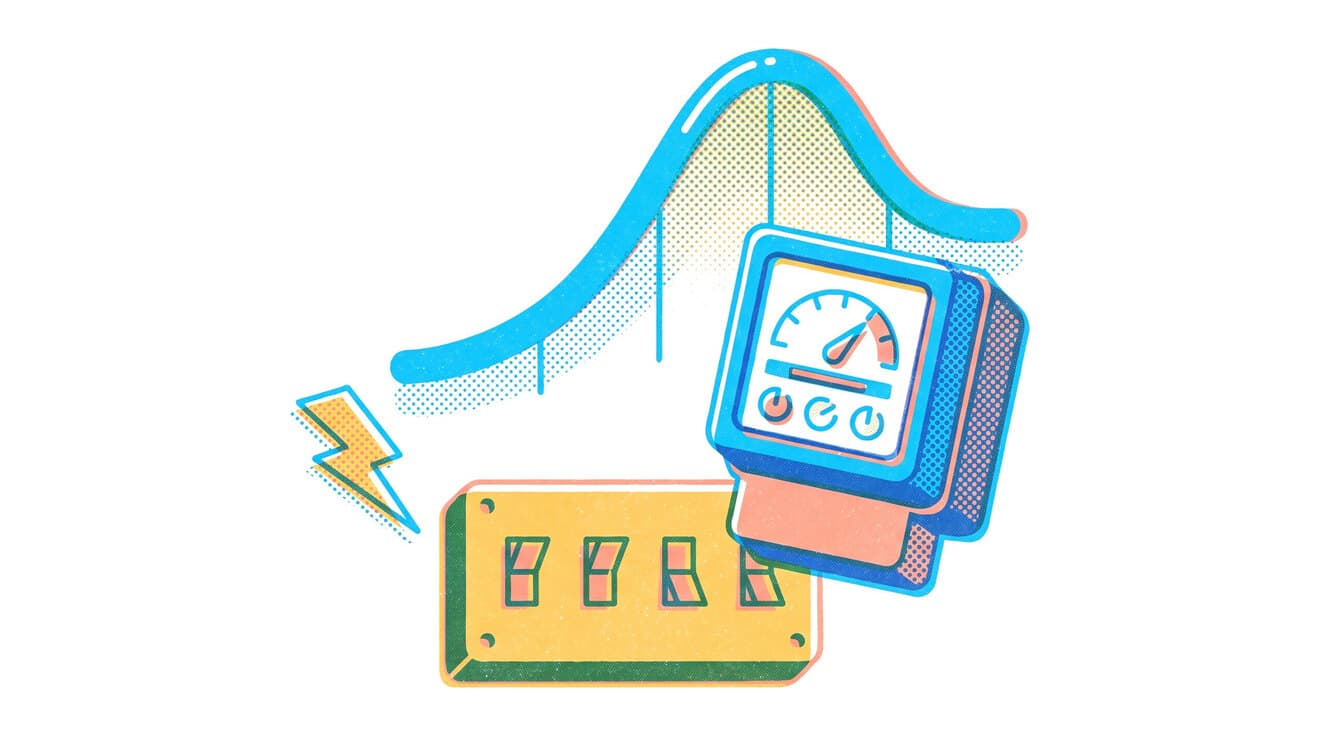
Real-time sub-metering, half-hourly demand logging, baselines and energy performance indicators (EnPIs).

CO₂, temperature and humidity, tied to comfort and MS 1525 targets.

Consumption monitoring and leak / anomaly detection.
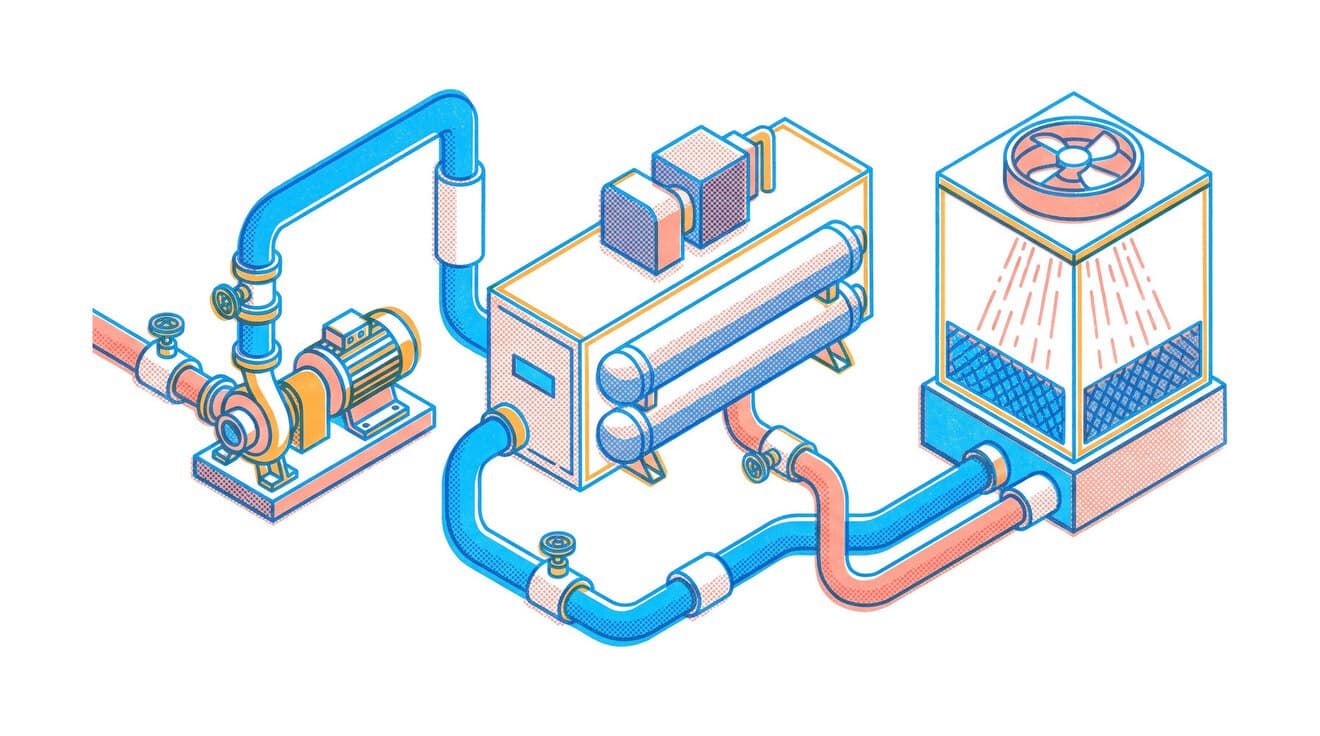
Chiller plant efficiency — the biggest energy load in most Malaysian commercial buildings.
You set a demand threshold. CobiNeural tracks each 30-minute interval as it builds and alerts your team on WhatsApp or email before demand crosses it. The alert shows which big loads are running, such as chillers, air handling units (AHUs) and compressors, so your team can stagger or pause them. Measurement and verification then shows what each change saved. This is peak shaving without a battery.
Battery energy storage integration is on our roadmap.
Proof
See measured before/after peak-demand reductions and the ringgit they save across our deployments in commercial buildings and manufacturing plants.
View the case studiesCompliance
Free tool
Our free Maximum Demand Calculator uses the current TNB RP4 rates to show what a peak reduction is worth on your bill — in ringgit, per year.
FAQ
An EMS is a system of metering, software and controls that continuously measures how a facility uses energy and acts on that data to cut cost. It meters consumption in real time, monitors it against a baseline, and controls equipment to reduce demand. In Malaysia, an EMS is also the mechanism large buildings use to comply with the Energy Efficiency and Conservation Act (EECA) 2024.
Yes. Cobler is a Malaysian EMS provider. Its platform, CobiNeural, monitors energy, indoor air quality, water and chilled-water performance, and alerts your team before a TNB demand peak sets the bill. It serves enterprise operators including Sunway, Marriott, Gleneagles, CapitaLand and Great Eastern, and deploys standalone or over an existing building management system.
A BMS runs equipment to a schedule for comfort and operation. An EMS focuses on energy cost — it meters consumption, tracks efficiency against a baseline, warns you as peak demand builds, and produces compliance-ready reporting. A BMS is not built to watch TNB demand charges or generate an EECA/ISO 50001 audit trail. CobiNeural can run standalone or add these capabilities on top of an existing BMS.
No. CobiNeural deploys standalone on your existing meters, or layers over an existing BMS without a rip-and-replace. Either way it delivers the same monitoring across energy, air, water and cooling, plus peak-demand alerts.
Under TNB’s RP4 tariff, the demand charge is set by your highest 30-minute average demand each month, at RM89.27–97.06/kW. CobiNeural tracks demand as it builds and alerts your team on WhatsApp or email before a 30-minute peak crosses the level you set. The alert names the big loads running, such as chillers, air handling units (AHUs) and compressors, so your team can stagger or pause them. Measurement and verification then shows what each change saved. No battery is required.
Yes. EECA 2024, in force since 1 January 2025, requires large energy users (≥ 21,600 GJ/year) and commercial buildings (≥ 8,000 m²) to run a documented energy management system, appoint a Registered Energy Manager, and complete periodic energy audits. CobiNeural supplies the continuous metering, baselines and exportable reports those obligations depend on. Cobler provides the system; the Registered Energy Manager remains your in-house appointee.
CobiNeural enables ISO 50001 rather than replacing certification. It provides the measurement, baselines and energy performance indicators (EnPIs) an ISO 50001 energy management system requires, so your team can certify with SIRIM, SGS, TÜV or another accredited body — or pursue AEMAS EMGS.
CobiNeural monitors four domains: energy (real-time sub-metering and demand), indoor air quality (CO₂, temperature, humidity), water consumption, and chilled-water/cooling performance (kW-RT). These map onto the biggest cost and compliance drivers in Malaysian commercial buildings, and onto Green Building Index energy, IAQ and water credits.
Book a walkthrough and we’ll show you CobiNeural on a building like yours — and where your peak demand is leaking money.