Healthcare · Case Study
Gleneagles Hospital: Power-Quality Monitoring to Protect Medical Equipment
Gleneagles Hospital monitors voltage sags and swells in real time and sends instant Telegram or email alerts to its biomedical and facilities teams, giving early warning that helps protect sensitive medical equipment.
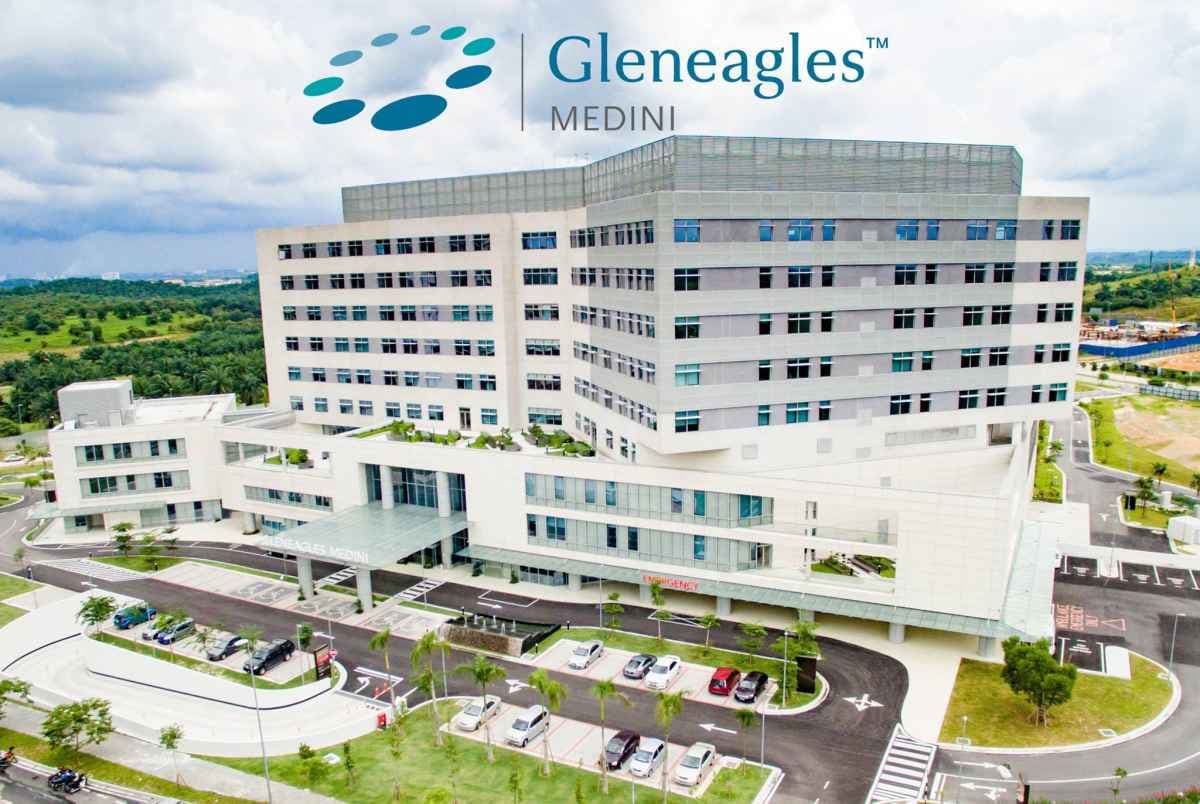
Gleneagles Hospital uses CobiNeural to detect voltage sags and swells as they happen and alert its biomedical and facilities teams straight away. The teams see power disturbances when they occur, instead of finding out after a piece of medical equipment has been affected.
In a hospital, power quality affects patient safety. Imaging systems, ventilators and laboratory analysers are built to tight voltage tolerances. A voltage sag (a short dip) or swell (a short rise) lasting only a few cycles can corrupt a scan in progress, trip a protective relay, or shorten the life of a power supply that nobody budgeted to replace. By the time the fault appears as a failed machine, the damage and the disruption to care have already happened.
The site
Gleneagles Hospital is a critical-care environment where electrical reliability is essential. A single floor can hold diagnostic imaging, operating theatres, intensive care and a clinical laboratory, each with equipment that is expensive to repair and cannot be taken offline at will. The facilities and biomedical engineering teams share responsibility for keeping this equipment available. They work in different parts of the building, and neither team sits at a switchboard watching the supply.
The problem
Gleneagles needed early warning of voltage sags and swells before they reached sensitive medical equipment, and a way to alert the right people immediately, wherever they were.
Power disturbances are usually invisible until something breaks. A sag can come from a large motor starting on the same feeder, a swell can follow a load being switched off, and a disturbance can arrive from the utility supply. Each may last only milliseconds. Conventional energy meters record averages and totals. They are not built to catch a sub-cycle event or to tell anyone about it in time. The common result in hospitals is that equipment behaves strangely, a service engineer is called, and the cause is pieced together days later, if at all.
What we did
CobiNeural monitors continuously for voltage sags and swells and sends a real-time Telegram notification as soon as an event is detected. The biomedical and facilities teams receive an alert they can act on, instead of discovering the problem after equipment has been affected.
The platform runs as an overlay on the hospital's existing electrical monitoring, so the installed metering did not have to be removed. Two modules do the work:
- Insights → Energy records power-quality readings, including voltage and power factor, by location and by equipment. A disturbance can be traced to a specific feeder or piece of switchgear, not just to "a glitch in the building".
- Alerts turns those readings into notifications. Sag and swell thresholds are set for each location. When a threshold is crossed, the right people receive a Telegram or email message with the details they need to respond.
The data is organised by site, equipment and sensor, so each alert shows where the event happened and what it affected. A biomedical engineer can go straight to the right place instead of starting an investigation. Linking these alerts to building controls, for example to shed non-critical load or signal backup systems, would be a separate automation project.
What changed
- Power disturbances are visible in real time.
- The teams respond faster, because the alert reaches their phones instead of sitting in a log.
- The hospital's most sensitive and critical equipment has an added layer of protection through early warning.
Power quality has moved from something discovered after a failure to something the teams see as it happens. In a hospital, where uptime and patient safety go together, that early warning is the purpose of the system.
Gleneagles is one of several sites where CobiNeural turns monitoring into action. See more in our case studies. If you run a hospital or another critical facility, ask us about power-quality monitoring.
Ready to achieve similar results?
Let's discuss how CobiNeural can transform your energy management.