Mid Valley Megamall: Chiller Plant BMS Advisory
Cobler advised Mid Valley Megamall on optimising its central chiller plant from the buildings own BMS data, tuning control and sequencing rather than replacing equipment.
The challenge
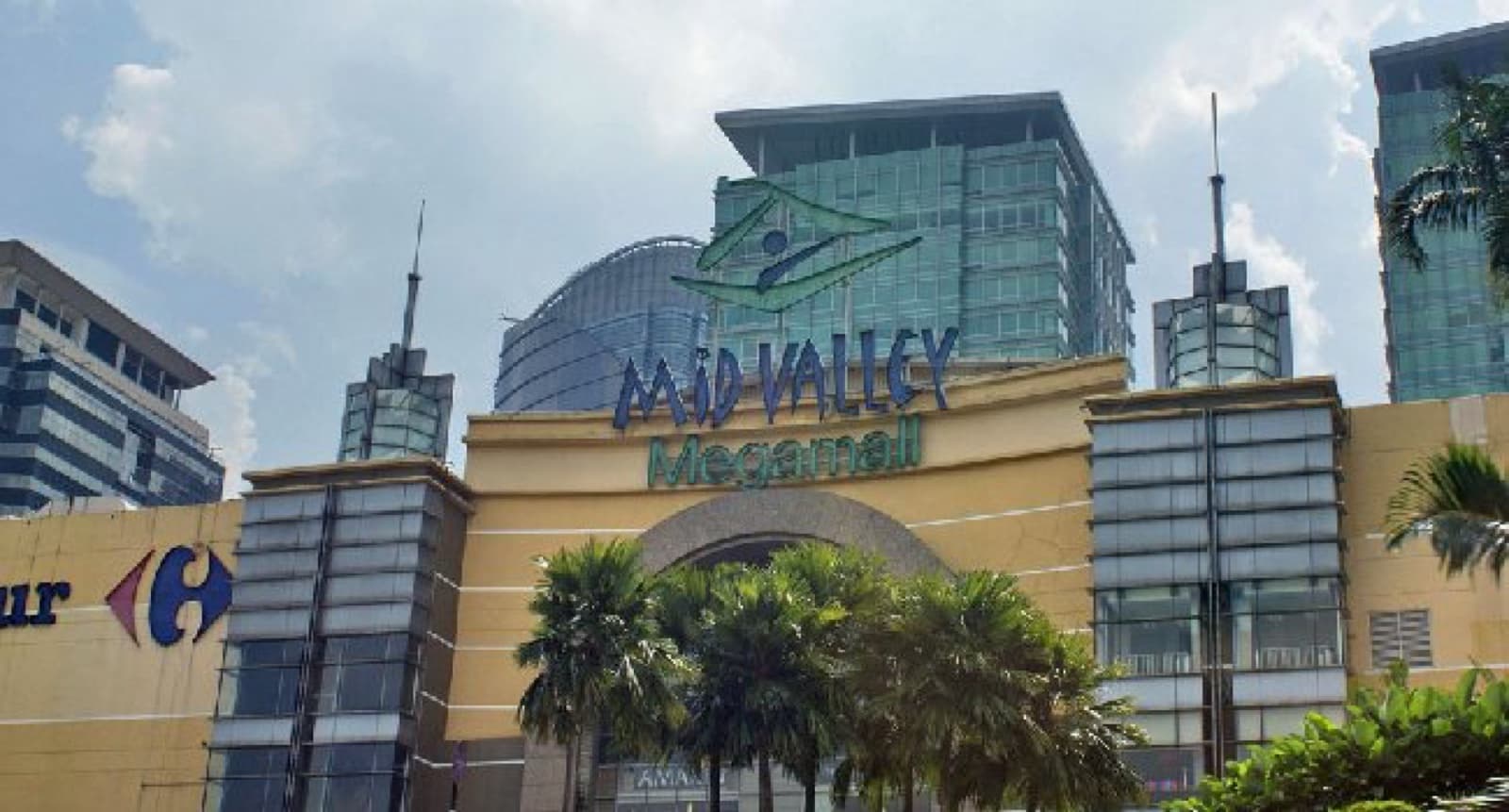
Mid Valley Megamall is one of the largest shopping malls in Malaysia. A retail floor plate of that size runs a large central chilled-water plant, and in almost every mall the chiller plant is the single biggest consumer of electricity in the building. When a plant that size drifts even slightly from its best operating point, the cost shows up every month on the TNB bill and in the maximum demand charge.
The plant was already running on a building management system, with years of trend data behind it. The question was not whether to install more hardware. It was whether the plant was being operated as efficiently as its own data said it could be.
What Cobler was asked to do
Cobler was engaged in an advisory role: review how the central chiller plant was being operated and controlled, and advise the operations team on where efficiency was being lost and how to recover it. The brief was optimisation, not replacement. The existing BMS, chillers, pumps and cooling towers stay in place; the work is in how they are sequenced and controlled.
The advisory approach
Chiller-plant efficiency comes down to a small number of levers, and the honest ones can only be judged from measured data, not assumption. Working from the plant's own BMS trends, the review looked at the levers that decide a mall plant's kW/RT:
- Chilled-water delta-T. A delta-T that has quietly narrowed forces the pumps to move more water for the same cooling, and can drag extra chillers online before they are needed.
- Chiller staging and sequencing. Whether machines are brought on and off at the right load points, or left running part-loaded when fewer chillers would do the same job more efficiently.
- Condenser water and cooling towers. How condenser-water temperature and tower operation track the wet-bulb conditions, which in a Malaysian climate is where a large share of plant efficiency is won or lost.
- Pumping. Whether primary and secondary pumping follow the actual cooling load rather than running flat out.
The output is a clear, prioritised picture of where the plant departs from its own best operating point, and a set of control and sequencing changes the operations team can act on, with the same trend data used afterwards to confirm each change did what it was meant to.
Why this matters for a mall
A shopping mall cannot trade in an uncomfortable building, so the plant has to deliver cooling reliably through long trading hours. That makes the chiller plant both the comfort backbone and the largest line on the energy bill. Getting more cooling out of every kilowatt, without new capital equipment, is the most direct lever a mall operator has on operating cost, and it is a lever that lives in the control layer rather than the plant room floor.
This is the same discipline behind Cobler's chiller-plant work in other buildings and the CobiNeural platform: read the plant honestly from its own data, then act where the data points.
Thinking about your own chiller plant? Talk to an engineer.
Ready to achieve similar results?
Let's discuss how CobiNeural can transform your energy management.