Commercial · Case Study
EVCC Pedas RSA: Energy and Water Monitoring at a Landmark Highway Hub
Ongoing project: Cobler is deploying CobiNeural energy and water monitoring at EVCC Pedas RSA, Malaysia's first privately operated highway Rest and Service Area, which pairs a Shell fuel station with a 350 kW EV charging corridor.
 Written byTan Kok Xin
Project status: in progress. CobiNeural deployment at EVCC Pedas RSA is ongoing. This page will be updated with operating results once the site is live.
Cobler is deploying CobiNeural energy and water monitoring at EVCC Pedas RSA, Malaysia's first privately operated highway Rest and Service Area (RSA). The site combines a Shell fuel station with high-power electric vehicle (EV) charging. The deployment is ongoing, and this page will report operating figures once the site is running.
The site
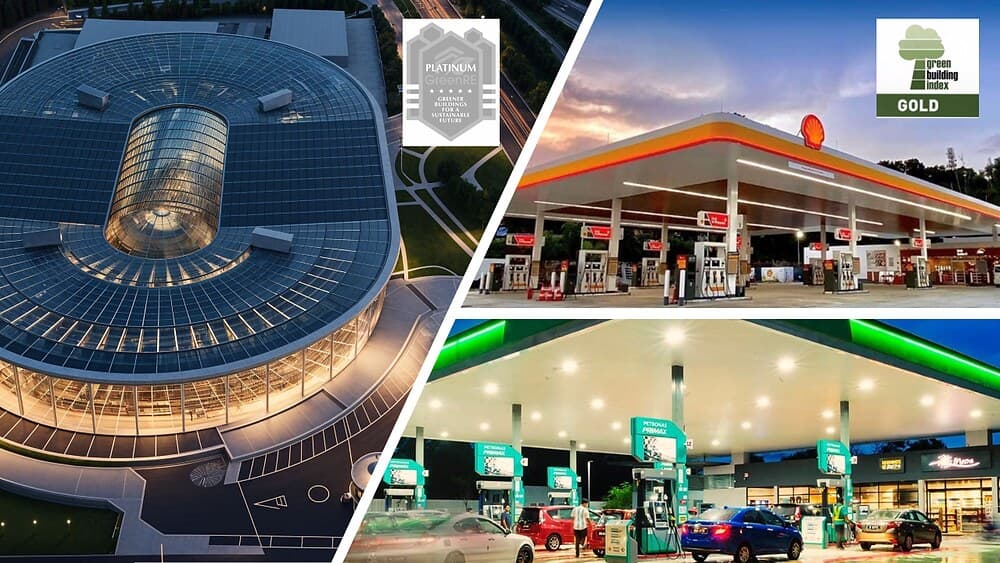
EVCC Pedas RSA is being built at KM241 southbound on the PLUS North-South Expressway, just past Seremban and about 84 km from Kuala Lumpur. It is being developed by Levn Capital with approval from the Malaysian Highway Authority. The site pairs a full Shell fuel station with one of the country's largest EV charging installations: Tesla Superchargers and Gentari DC fast charging, on what has been described as the nation's first 350 kW charging corridor.
When it opens, it will be among the largest combined fuel and charging hubs on the Malaysian highway network. The building is also designed to a green certification standard rather than as a basic roadside forecourt.
A site like this uses energy and water in ways a traditional petrol station never had to manage. Cobler is putting both under CobiNeural monitoring as the site is built.
Why a fuel and charging hub is hard to run
A conventional highway stop has a fairly predictable load: lights, fuel pumps, a convenience store and air conditioning. EVCC Pedas is quite different.
- High-power EV charging is a new kind of electrical load. A bank of 350 kW chargers, with many travellers plugging in at the same time during peak holiday traffic, creates sharp, sudden spikes in demand. A fuel forecourt was never designed for this, and managing and understanding that demand is a specialist task.
- Several businesses run on one site. The Shell fuel station, a Shell Select convenience store, a Deli2Go café, site lighting and the air conditioning that keeps everything comfortable in the Malaysian heat each use energy in their own pattern.
- Water matters too. A busy RSA serving thousands of travellers uses a lot of water across its amenities and facilities. A hidden leak or unusual use can run for weeks unnoticed on a quarterly bill.
- A green-certified building has to prove its rating. A rating earned on the drawings only means something if the building performs that way in operation, and the only way to know is to measure it.
What we are putting in place
Once commissioned, CobiNeural will give the operator one live view of how the site uses energy and water, broken down rather than combined into one bill.
- Energy at site and equipment level. The EV charging load, the fuel station, and the retail and cooling loads can each be seen separately. The demand peaks caused by the high-power chargers are visible as they happen, not after the fact.
- Water consumption across the site, so unusual use and leaks show up early instead of as a surprise on a statement.
- One platform, organised location by location, instead of separate readings from separate systems that nobody reconciles.
This visibility is the base for everything else. You cannot manage demand you cannot see, confirm a green rating you do not measure, or catch a leak you are not watching for.
Why it matters
EVCC Pedas RSA shows what the Malaysian highway stop is becoming: part fuel station, part charging hub, part retail destination, and a green building that has to meet its certification in daily operation. All of that depends on a basic requirement: knowing how much energy and water the site uses and where it goes. Cobler is providing that, so the operator can run the site on data rather than guesswork from its first day. The work is in progress, and we will update this case study with real operating figures once the site is running.
To get the same energy and water visibility for your own site, talk to our team, or see more of our work.
Ready to achieve similar results?
Let's discuss how CobiNeural can transform your energy management.