Commercial · Case Study
KL Midtown: Energy & Water Billing with BMS-Integrated Chiller Control
KL Midtown uses CobiNeural for energy and water billing and consumption monitoring, with automation that integrates the site's ABB BMS for chiller-plant control.
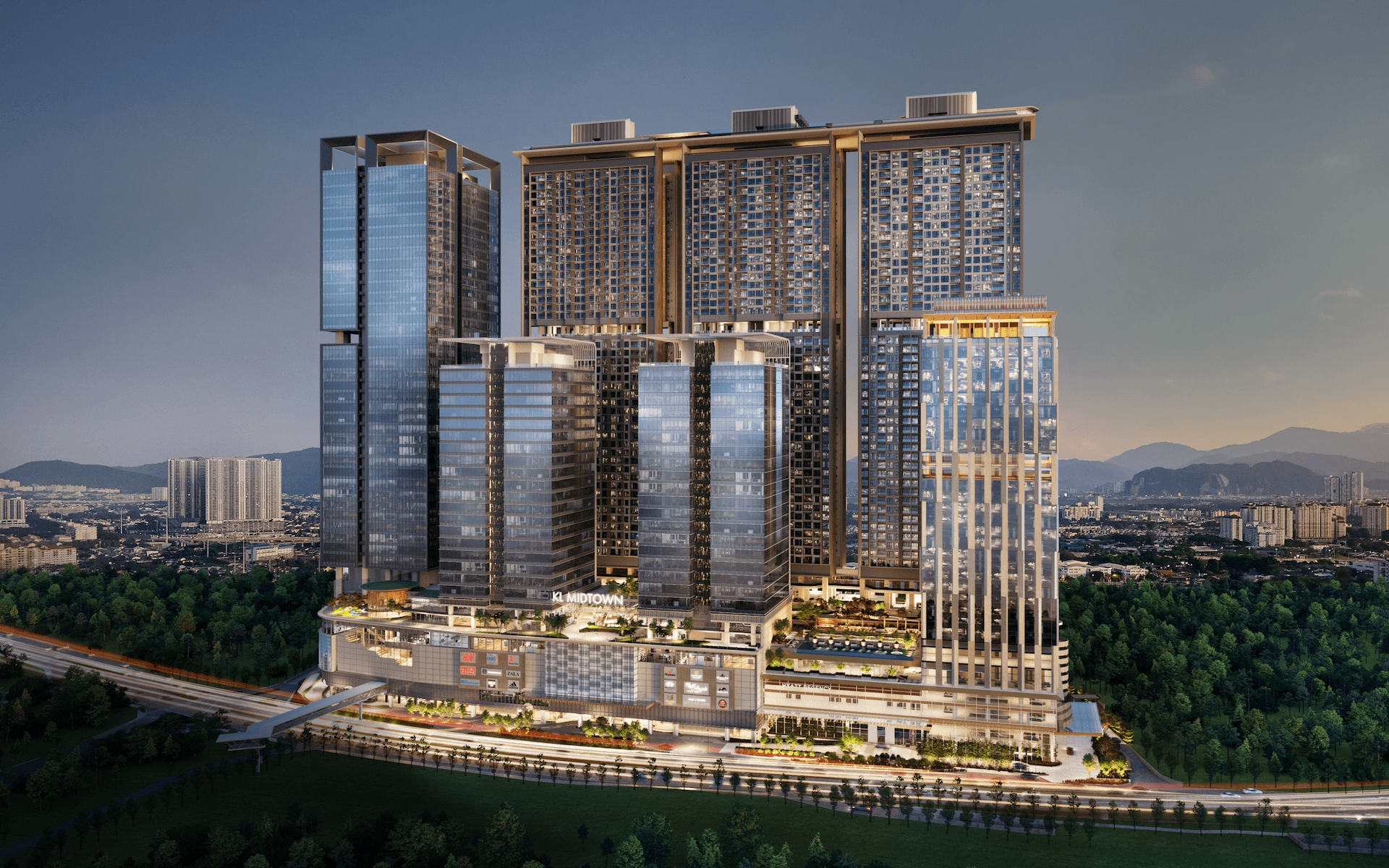
KL Midtown uses CobiNeural for energy and water billing and consumption monitoring. On the same platform, our automation work integrates the site's ABB building management system (BMS) for chiller-plant control. Monitoring and automation run together on one site, under one operations view.
The site
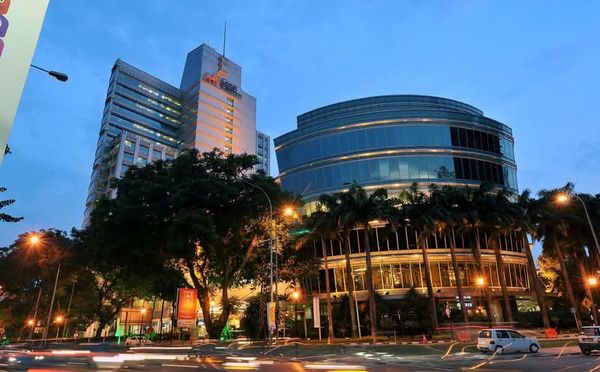
KL Midtown is a commercial development in Kuala Lumpur. Like most mixed-use and tenanted properties, it has two recurring operating tasks.
The first is utility billing. Energy and water used across the property have to be measured and divided correctly, so that tenants pay for what they actually use. The second is running the plant. The central chiller plant is the largest electrical load on site and the main factor in both comfort and cost.
These two jobs usually sit in separate systems run by separate teams. At KL Midtown they run on one platform.
The problem
Energy and water had to be metered and billed accurately across the development, with general monitoring of both. The chiller plant needed coordinated control instead of running to a fixed schedule.
Billing from manual meter readings is slow and prone to errors, and it gives operators no view of consumption between billing cycles. On the cooling side, a chiller plant on a fixed schedule ignores how the building is actually behaving. It may run capacity for a load that is not there, or fall behind a load that is. In Malaysia's climate, cooling makes up most of a commercial building's electricity bill, so this gap shows up directly in the Tenaga Nasional Berhad (TNB) maximum demand and energy charges.
What we did
CobiNeural handles both the path from meter to invoice and the path to plant control.
For utilities, the Billing & Tariffs module covers energy and water billing across the property. It applies the right tariff and time-of-use plans and allocates cost to where it belongs. Underneath, Insights -> Energy and Insights -> Water monitor consumption continuously, so operators see demand and usage as they happen, by location and by equipment, not only when an invoice is issued. The data is organised from sites and zones down to equipment and sensors. This structure is what makes the billing defensible and the monitoring useful.
On the automation side, the Actions module integrates with the site's ABB BMS to coordinate chiller-plant control. CobiNeural works as an overlay on the BMS rather than overriding it. Cooling is staged to real conditions and live consumption instead of a fixed timetable, and the BMS continues to handle the detailed equipment sequencing it already does well. Monitoring and control use the same readings, so each control decision is based on the numbers an operator sees on the dashboard.
This follows the pattern in Cobler's case studies: work with the existing equipment, add monitoring and automation on top, and avoid removing and replacing systems.
What changed
- One platform handles utility billing and consumption monitoring, with BMS-integrated chiller control alongside.
- Billing and monitoring use the same data.
- The chiller plant is run to real conditions instead of a fixed schedule.
If you operate a commercial property where billing is in one system and plant control is in another, see the combined approach.
Ready to achieve similar results?
Let's discuss how CobiNeural can transform your energy management.