
Practical insights on energy, building automation, and compliance for buildings and industry, by the Cobler team.

 TNB Bills & Tariffs
AFA menggantikan ICPT di bawah RP4 dan ia berubah setiap bulan, kadang jadi surcaj, kadang jadi rebat. Panduan ini tunjuk cara mengasingkan kesan AFA daripada kesan operasi anda sendiri.
 TNB Bills & Tariffs
Faktor kuasa di bawah 0.85 boleh menambah satu baris surcaj pada bil TNB anda setiap bulan, dikira atas jumlah caj dan bukan atas beberapa kW kecil. Ini punca sebenarnya, cara ia muncul dalam bil, dan cara membetulkannya.
 TNB Bills & Tariffs
Satu selang 30 minit boleh menentukan caj permintaan sebulan penuh di bawah tarif RP4. Ini sembilan punca sebenar bil elektrik tinggi di premis komersial dan kilang, serta cara mengesan setiap satu daripada bil anda sendiri.
 TNB Bills & Tariffs
Panduan baris demi baris bil elektrik komersial dan industri TNB di bawah tarif RP4: lima komponen caj, di mana mencari bacaan MD dan faktor kuasa. Termasuk tanda-tanda bil yang patut anda siasat.
 TNB Bills & Tariffs
Under TNB's RP4 tariff, every kW kept off your monthly peak interval is worth RM89.27 to RM97.06. Whether a standby genset can beat that depends on one number: how many hours a month it has to run.
 TNB Bills & Tariffs
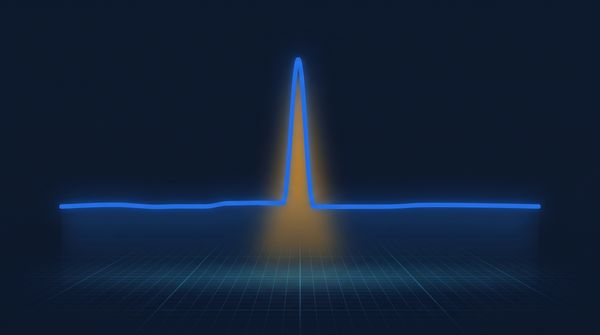
A Medium Voltage site peaking at 1,000 kW pays around RM89,270 a month in demand charges before any energy is billed. Nine common causes of a jumped commercial TNB bill, each with what to check on the bill and what to check in the building.
 TNB Bills & Tariffs
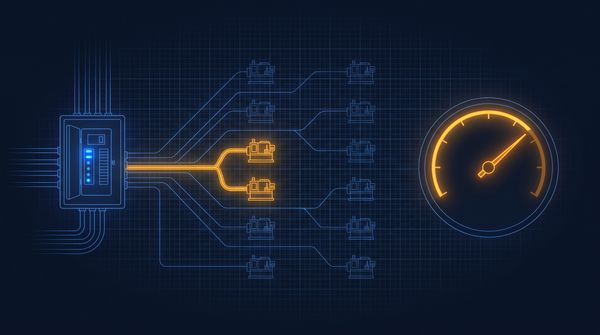
Load factor tells you whether you are paying TNB for capacity you actually use or capacity you touch once a month. Here is the formula, a worked RP4 example where two identical-kWh sites sit RM26,781 apart, and how to raise it.
 TNB Bills & Tariffs
Connected load is the sum of your nameplate ratings. Maximum demand is the highest 30-minute average your meter records, and it is the one TNB charges you for. Here is the difference, the demand factor that links them, and what it costs in ringgit.
 TNB Bills & Tariffs
On 1 July 2025 TNB retired the C1, C2, E1 and E2 letters and replaced them with voltage-based categories, each with a General or Time-of-Use option. Here is how the new TNB tariff categories work, where your old letter lands, and what the five bill components actually cost you.