Blog
What Is a Smart Operation Platform?
A Smart Operation Platform is the intelligence layer above your BMS, PLC and SCADA - monitoring, anomaly detection, optimisation and reporting across every site.
 Tan Kok XinBMS & Building Technology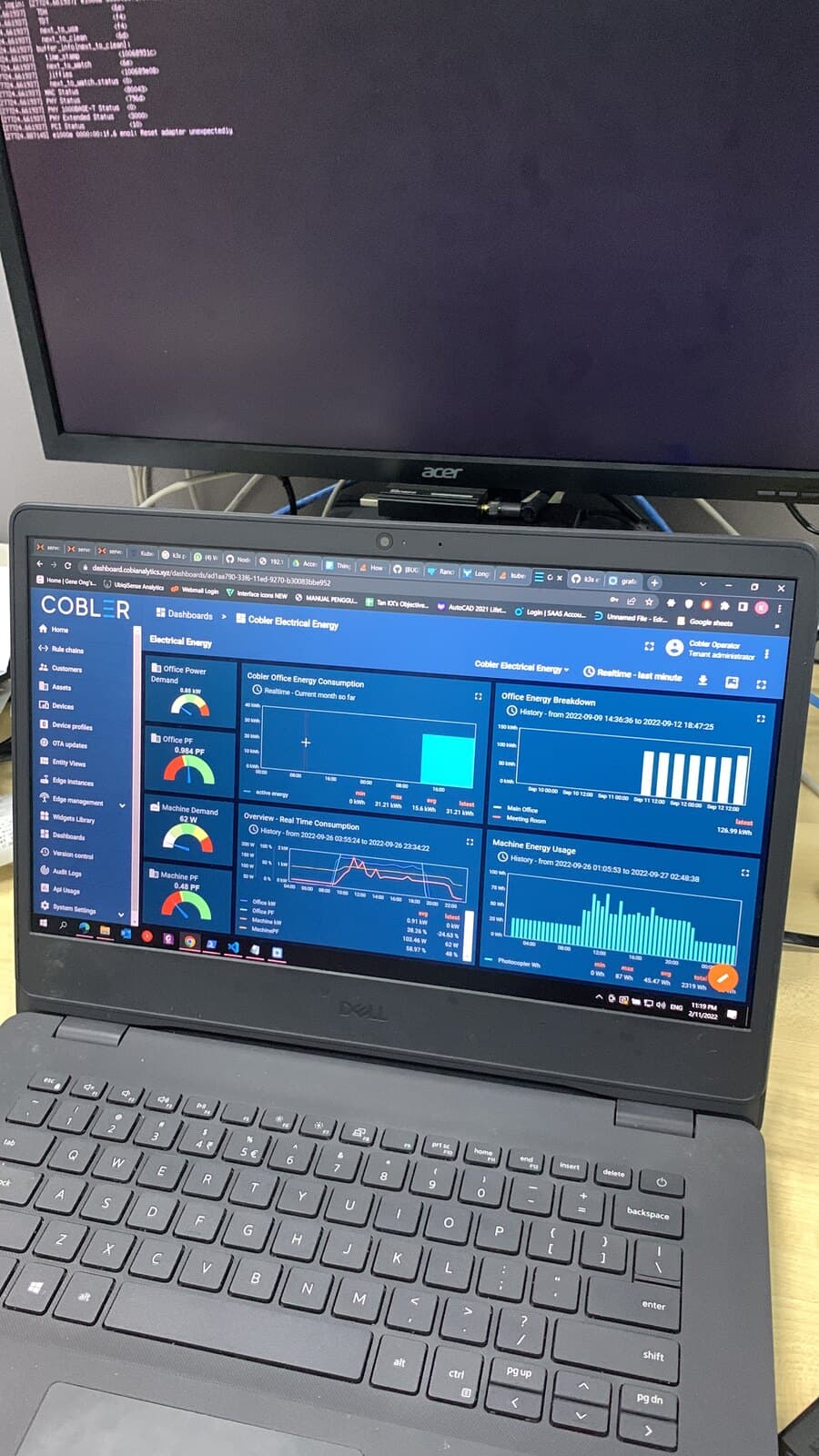
What is a Smart Operation Platform?
A Smart Operation Platform is the software layer that sits above a building's or factory's control systems and turns the data they produce into decisions: monitoring energy and equipment in real time, detecting anomalies, optimising performance, and generating the compliance and cost reports operators actually need. It is not a replacement for your BMS, PLC or SCADA. It is the intelligence layer on top of them.
If that sounds like an energy management system with a bigger job description, you're close. The reason the category needs its own name is that monitoring energy is only one of the things it does, and treating it as "just an EMS" undersells what changes when one platform can see across every system in a building at once.
In short
- A Smart Operation Platform sits above existing control systems and turns their data into decisions: monitoring, anomaly detection, optimisation and reporting.
- A typical BMS alone is not enough because it controls equipment but was never built to explain cost or flag anomalies.
- It differs from a BMS, an EMS and SCADA by combining what each does separately into one layer, without replacing any of them.
- It is built to work with what a site already owns rather than requiring a rip-and-replace.
Why the BMS you already have isn't enough
Most Malaysian buildings and plants already have control systems. The chillers stage, the air handlers run their schedules, the production line does what its PLCs tell it. So why is the building still expensive to run and hard to report on?
Because control and intelligence are different jobs. A BMS keeps equipment running correctly; it was never designed to tell you the plant is drawing 15% more power than the same load needed last month, or that today's peak demand just set the figure you'll be billed on under the TNB RP4 tariff. The data exists, streaming through the controllers every second, but it's trapped at the control layer, siloed by vendor and by system, and nobody is reading across it.
A Smart Operation Platform closes that gap. It reads the data the controls already generate, adds the metering and analytics the BMS lacks, and presents one operational picture instead of five disconnected ones.
What a Smart Operation Platform actually does
The "smart" part is concrete, not marketing. A capable platform covers a set of jobs no single control system does on its own:
- Real-time monitoring across energy, water, indoor air quality, occupancy and equipment, location by location, asset by asset, not just a whole-building total.
- Maximum demand and tariff intelligence: tracking the monthly peak as it forms so you can act before it's billed, and allocating cost across tenants or cost centres.
- Anomaly detection: flagging the chiller running out of schedule or the compressor leaking energy, instead of waiting for the bill. We explain how that works in what energy anomaly detection does.
- Automation and control actions: closing the loop where it makes sense, through the automation layer over existing BMS, PLC and SCADA.
- Compliance reporting: EECA reports, ISO 50001 workflows, and ESG/GHG accounting produced from live data rather than reconstructed in spreadsheets before a deadline.
CobiNeural is built around exactly these modules, organised so a facility, energy or sustainability manager sees the whole estate from one place. The data hierarchy runs from locations (sites, buildings, zones) down to equipment (chillers, compressors, pumps) down to individual sensors, so a number on a portfolio dashboard can be traced to the asset that produced it.
How it's different from a BMS, an EMS, and SCADA
Hold them side by side:
- A BMS/BAS controls building equipment. SCADA does the same for industrial process. Both live at the control layer.
- An EMS measures and optimises energy. That's one function of a Smart Operation Platform, not the whole of it.
- A Smart Operation Platform is the layer above all of them: energy, yes, but also equipment condition, water, air quality, automation actions, and reporting, unified across every site and every underlying system.
The defining trait is breadth and position. It doesn't compete with your controls; it sits on top and makes sense of them. We map the full alphabet soup in BMS vs EMS vs SCADA vs BAS.
It works with what you already own
The most important practical point: a Smart Operation Platform deploys standalone or as an intelligent overlay on existing BMS, PLC and SCADA. You don't scrap working hardware to get the intelligence layer. The platform reads your existing controllers and meters over open protocols, normalises the data, and unifies a fragmented multi-vendor estate into one coherent system.
That overlay model is what makes it affordable for buildings that already exist (which is almost all of them). We explain the mechanics in what "overlay on existing systems" really means, and the case studies are largely these mixed-estate integrations: disjointed controls from several eras turned into one building that runs, and reports, the way it should.
Who needs one, and when
A Smart Operation Platform earns its place when any of these is true:
- You're a designated consumer under EECA 2024 and need defensible energy data and reports, not an annual spreadsheet scramble.
- Your TNB maximum demand charge is large and you can't see the peak forming in time to manage it.
- You run more than one site and have no single view across the portfolio.
- Your controls are fragmented across vendors and eras and nobody can read across them.
- You're a manufacturer chasing energy cost and equipment reliability at the same time; see energy intelligence on the factory floor.
For how a BMS senses, decides and controls a building, see our free course Building Automation & BMS Fundamentals.
If two or more of those describe your operation, the intelligence layer is the missing piece, not more control hardware. To see what a Smart Operation Platform would surface in your own building, book a CobiNeural walkthrough.
FAQ
Frequently asked questions
Ask us about this topic
Something in this article you want to dig into — or a situation in your own building it doesn't quite cover? Send us your question. We don't run public comments; the team replies to you directly by email.