Blog
What "Overlay on Existing BMS/PLC/SCADA" Means
An overlay adds an intelligence layer on top of the controls you already have - no rip-and-replace. Here's how it works and why it's the sensible path for most buildings.
 Tan Kok XinBMS & Building Technology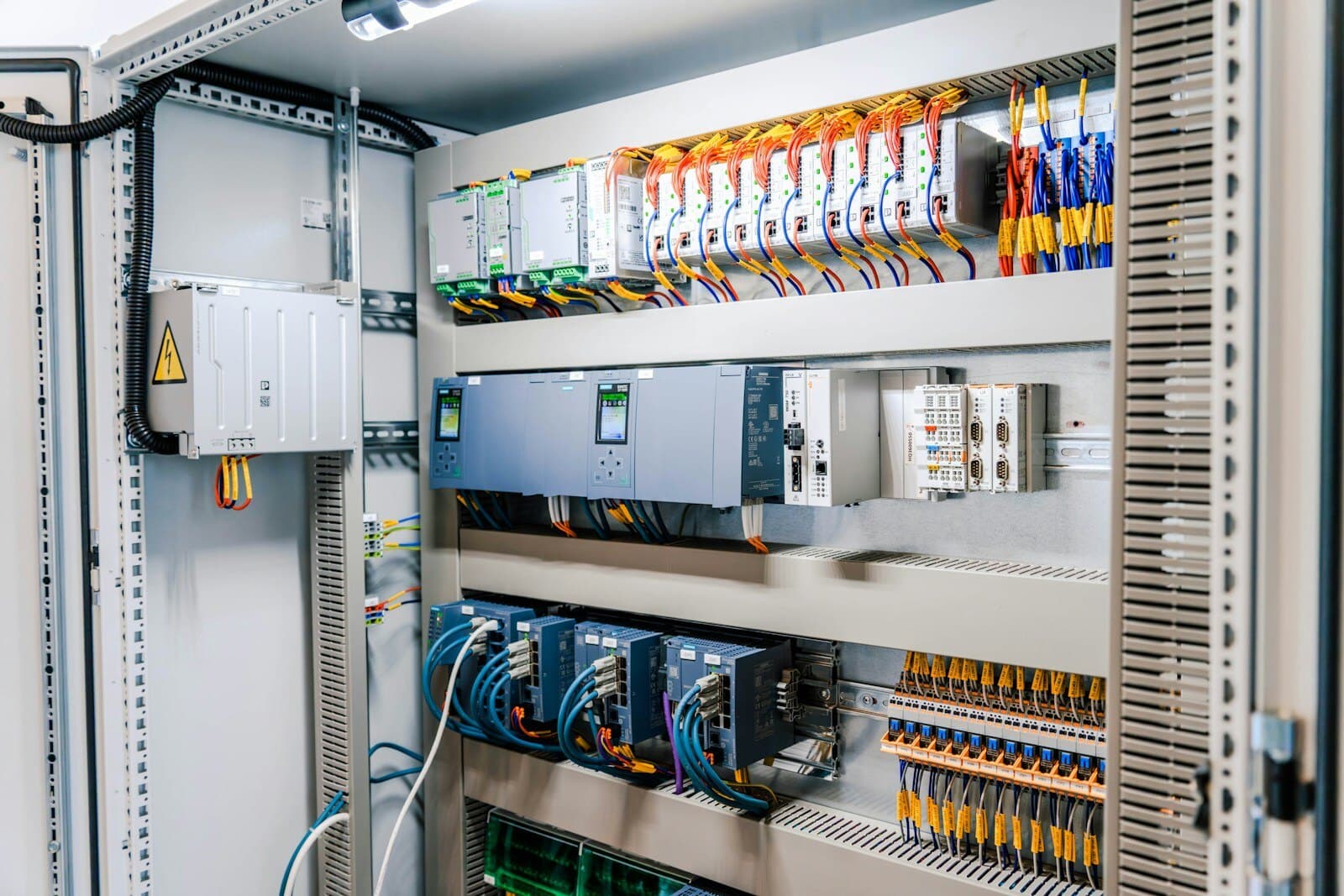
What does it mean to "overlay" on an existing BMS?
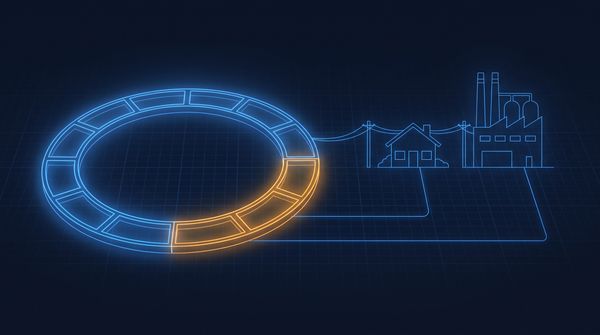
An overlay means adding a software intelligence layer on top of the control systems you already have (your BMS, PLCs and SCADA) instead of ripping them out and starting again. The existing controllers keep doing their job. The overlay reads their data over open protocols, unifies it, and adds the monitoring, analytics, anomaly detection and reporting they were never built to do. You get the intelligence of a modern platform without the cost and disruption of a full replacement.
For most Malaysian buildings and plants this is the only sensible path, because the controls are already installed, already working, and already paid for. The problem was never that the equipment can't be controlled. It's that the data is trapped.
In short
- An overlay adds a software intelligence layer on top of your existing BMS, PLCs and SCADA instead of ripping them out.
- The existing controllers keep doing their job; the overlay reads their data over open protocols and unifies it.
- Overlay versus rip-and-replace is mostly a cost and disruption decision, not a capability one.
- Open protocols are what make an overlay straightforward; a closed system usually needs a gateway to integrate.
The real problem: working controls, trapped data
Walk into a typical commercial building or factory that's been operating for a decade and you'll find layers of controls from different eras and different vendors. A chiller plant on one manufacturer's BMS. Air handlers on another. Power meters speaking Modbus in the switch rooms. A production line on PLCs and SCADA. Each does its job. None of them talk to each other, and no single screen shows you the whole picture.
So the building runs, but you can't answer basic questions. Where did this month's peak demand come from? Which equipment is drifting? What do I put in the EECA report? The data to answer all of that is already being generated every second — it's just locked inside separate systems that were never designed to share.
The instinct is to assume you need to replace everything to fix it. You don't.
How an overlay works in practice
An overlay sits above the control layer and reads from it. The mechanics:
- Connect to existing systems over open protocols. The platform reads your controllers, meters and PLCs using BACnet and Modbus: the open standards most building and industrial equipment already speaks. Where a meter is wired but remote, a wireless link like LoRaWAN bridges it without trenching cable.
- Normalise the data. Readings arrive in different units, labels and structures from each vendor. The overlay maps them into one consistent model (locations, equipment, sensors) so a chiller is a chiller whichever brand it is.
- Add the intelligence the controls lack. On top of that unified data: maximum demand tracking, energy and equipment analytics, anomaly detection, tenant cost allocation, EECA and ISO 50001 reporting.
- Close the loop where it helps. Through the automation layer, the platform can push control actions back down (staging, setpoint resets, load shifting), turning monitoring into optimisation.
The existing BMS keeps running the equipment. The overlay makes the estate intelligible and manageable. CobiNeural deploys exactly this way: standalone where there's nothing to build on, or as an intelligent overlay on existing BMS, PLC and SCADA where there is.
Overlay vs rip-and-replace: the honest comparison
A full replacement has its place: if your controls are genuinely end-of-life, failing, or unsupportable, replacing them is the right call. But for a building whose controls still work, rip-and-replace means:
- High capital cost: new controllers, new wiring, new panels across the whole site.
- Disruption: tenants, production, or operations interrupted while systems are swapped.
- Wasted assets: scrapping hardware that was doing its job.
- A long payback before any savings appear.
An overlay inverts that. You spend on the layer that actually delivers savings and compliance (the data and analytics) and leave the working hardware in place. The payback is faster because the spend is smaller and aimed at the part that moves the bill: cutting TNB maximum demand charges and trimming HVAC energy. We make the same argument about controlling spend in how much a BMS costs in Malaysia.
Why open protocols make the overlay possible
An overlay only works if the platform can actually read your existing systems. That depends entirely on open protocols. Equipment that speaks BACnet and Modbus can be integrated by anyone; equipment locked to a single vendor's proprietary protocol can only be touched by that vendor, at their price.
This is the quiet reason vendor lock-in is so costly, and why insisting on open protocols at procurement time protects every future upgrade. If your estate is open, an overlay is straightforward. If parts of it are closed, integrating those parts is harder and sometimes needs a gateway. We cover the protocol question in BACnet vs Modbus and what to demand from an integrator in choosing a building automation contractor.
Who does the integration: the systems integrator
Overlaying a fragmented estate is engineering work, and it's the job of a systems integrator (SI): the firm that connects to each existing system, resolves the protocol and data-mapping details, and commissions the unified result. The failures in an overlay are rarely dramatic; they're the small, methodical details: a duplicated network number so a device never appears, an object label the platform can't match. A good SI is rigorous about exactly those details.
This is the work behind most of our case studies: mixed-estate sites with controls from several vendors, pulled into one coherent, well-run system. The building owner sees one platform; underneath, the overlay is quietly reading and unifying everything that was already there.
Does an overlay limit what you can do later?
No, it tends to do the opposite. Because the overlay is built on open protocols and a vendor-neutral data model, adding a new site, a new meter, or new equipment later is straightforward. You're no longer locked to one manufacturer's roadmap. And if you do eventually replace a piece of control hardware, the overlay simply reads the new one. The intelligence layer outlives any individual controller.
For how a BMS senses, decides and controls a building, see our free course Building Automation & BMS Fundamentals.
That's the strategic case for overlay-first: you decouple the value (the data, the analytics, the reporting) from the hardware (which will always change). To scope what an overlay would unify across your own site (the integration and the platform on top), talk to our building automation team.
FAQ
Frequently asked questions
Ask us about this topic
Something in this article you want to dig into — or a situation in your own building it doesn't quite cover? Send us your question. We don't run public comments; the team replies to you directly by email.