Commercial · Case Study
EPF HQ District Cooling: BMS Control to 0.7 kW/RT
Cobler delivered the BMS, on an MRCB-led project, for the district cooling plant that cools EPF HQ, Malaysia's largest fund manager, tuning the chilled water plant to 0.7 kW/RT efficiency.
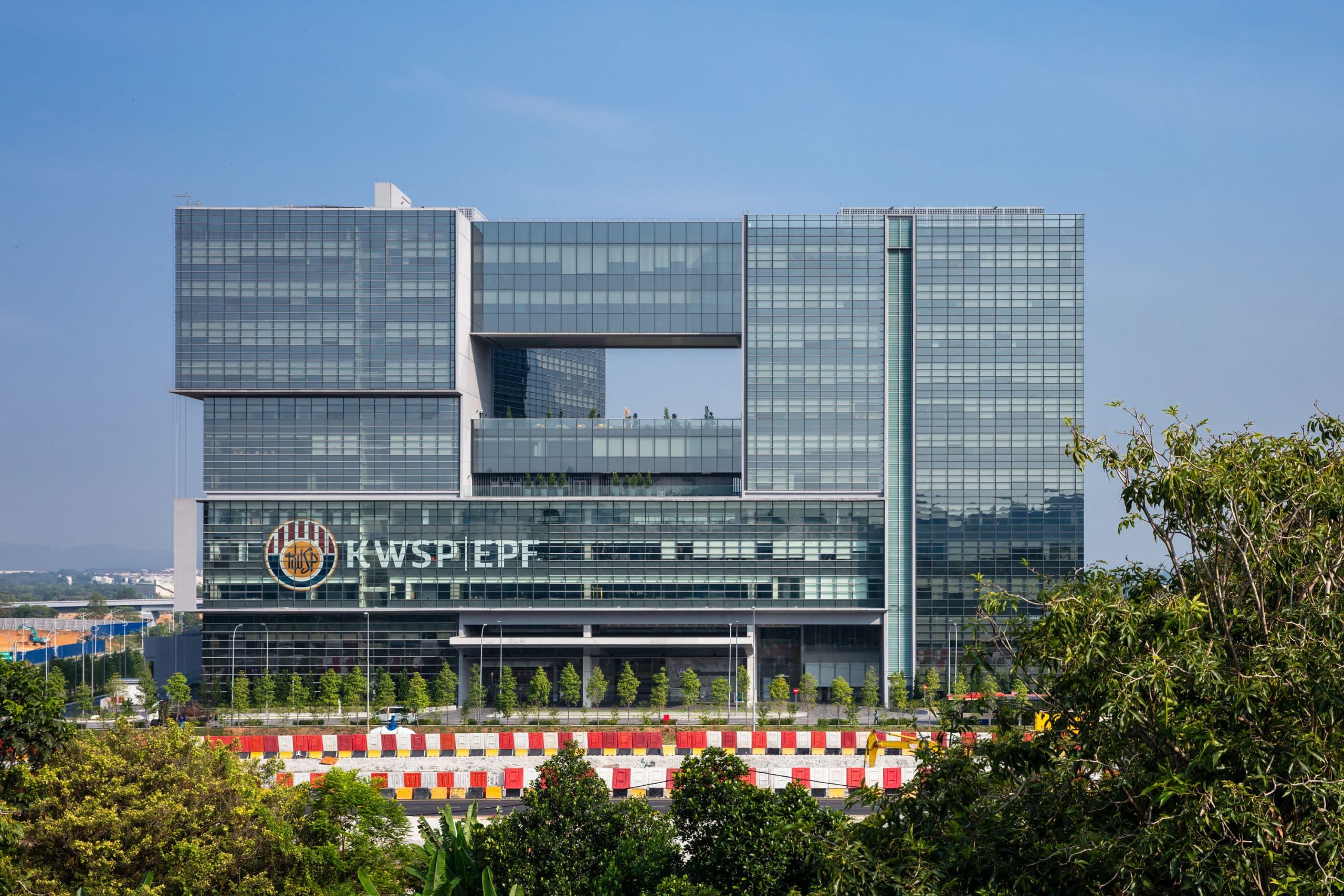
Cobler built the building management system (BMS) for the district cooling plant that serves EPF's headquarters in Kuala Lumpur. The plant runs at 0.7 kW/RT and holds that figure as the cooling load changes through the day. The project was led by main contractor MRCB.
The site
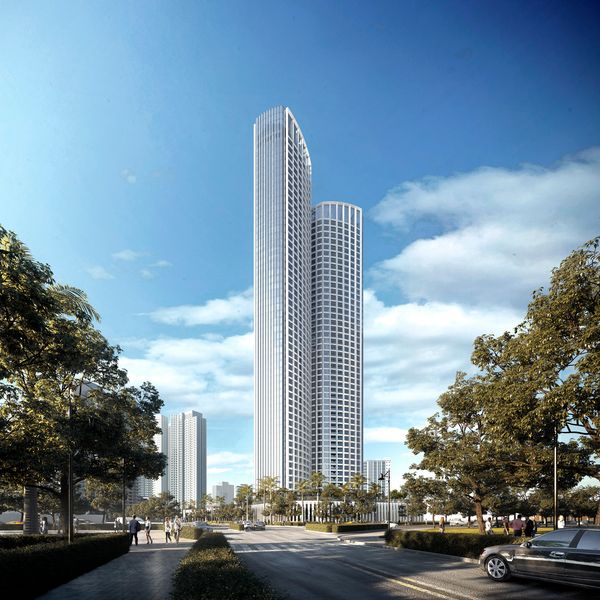
EPF, the Employees Provident Fund, is the largest fund manager in Malaysia and runs the national retirement scheme. Its Kuala Lumpur headquarters operates every hour of the day. Its cooling does not come from chillers in the building's own basement. A separate district cooling plant produces chilled water and pipes it to the headquarters.
Cobler built the BMS for that plant. MRCB led the project as main contractor. Our scope was the building automation: the control system that runs the chillers, pumps and cooling towers as one plant rather than as separate machines.
The measure that matters: kW/RT
A chilled water plant is judged by its kW/RT: the kilowatts of electricity it uses for every refrigeration ton (RT) of cooling it delivers. It works like fuel economy for the plant. The figure affects the bill every hour the plant runs, so a small difference adds up to a large one over a year.
Most plants run between 0.85 and 1.0 kW/RT. The target here was 0.7. One efficient chiller is not enough to reach it. The figure includes everything that draws power: the chillers, the pumps moving chilled water and condenser water, and the cooling tower fans that reject heat to the outside air. If any of them works harder than the load requires, the kW/RT rises. The cooling load changes all day, so holding the figure needs constant adjustment. The BMS makes those adjustments.
What we did: chiller staging
Most of the gain comes from staging, which means deciding how many chillers run at any moment and which ones. Each chiller has a range where it is most efficient. It wastes energy when lightly loaded and again when running flat out. If four chillers run against a load that two could carry, all four operate in their inefficient range. If too few run, the ones that are on are pushed past their best point.
The BMS therefore follows the real cooling demand rather than a timetable:
- It starts another chiller only when the load needs it, and stops one as soon as the load no longer does.
- It chooses which chiller leads, so the most efficient machine carries the base load and running hours are spread across all the chillers.
- With the right chillers running, the pumps and cooling towers follow them, instead of moving water for capacity that is switched off.
- It keeps a wide enough difference between the supply and return water temperatures (the delta-T), so the pumps do no more work than the cooling needs.
What changed
The plant reaches 0.7 kW/RT and holds it as the load changes through the day, not only at the single design point on paper. EPF runs the building around the clock, so that efficiency saves money every hour, not only at handover.
CobiNeural runs on top of the plant and tracks the kW/RT live. Operators can see where the plant stands at any moment instead of working it out from last month's bill. Want the same view of your own plant? See our other work or book a demo.
Ready to achieve similar results?
Let's discuss how CobiNeural can transform your energy management.