Blog
Energy Sub-Metering: Find the Hidden Problems in Your Plant
Energy sub-metering turns one TNB bill into readings per system or machine, so hidden waste and maximum-demand peaks trace back to their cause.
 Tan Kok XinEnergy Monitoring & Analytics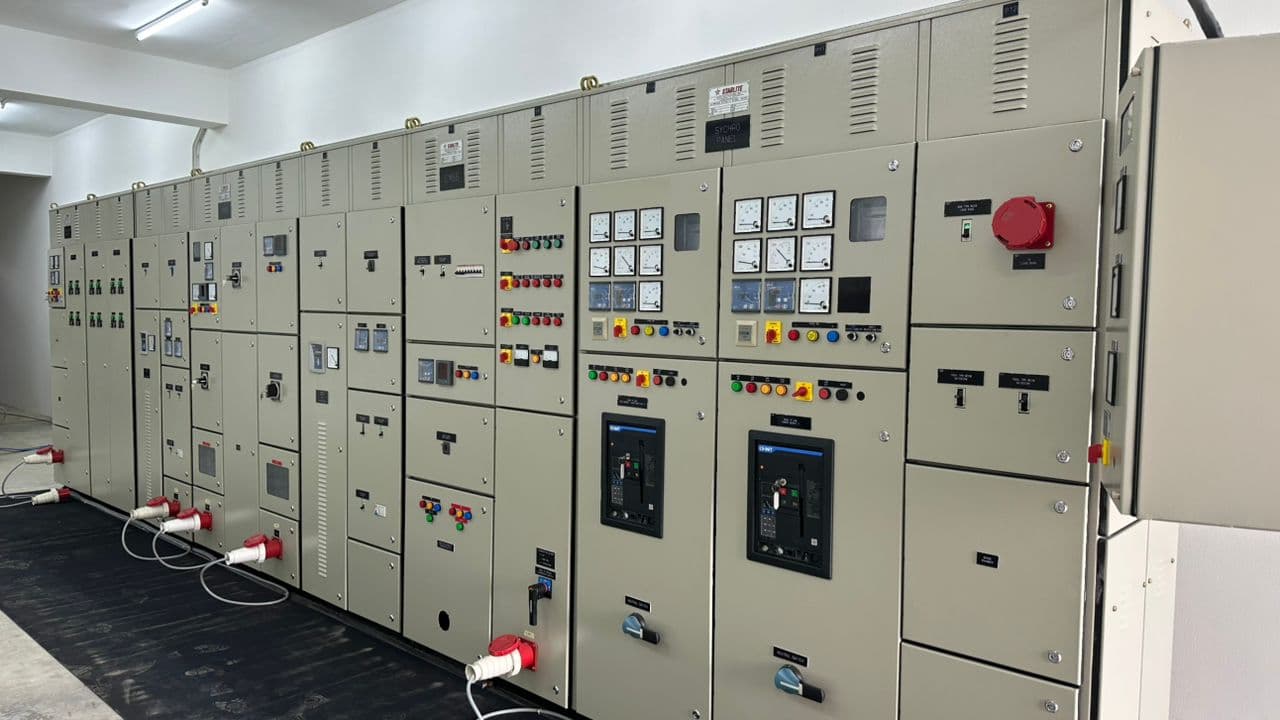
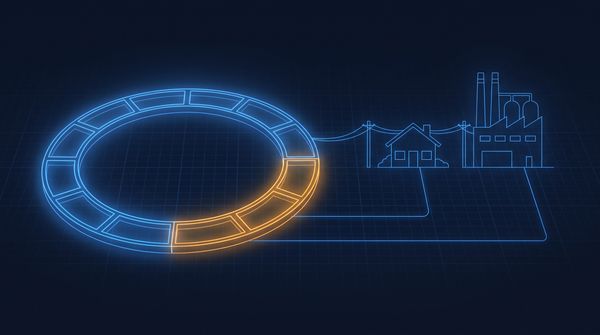
Energy sub-metering finds hidden problems by breaking one TNB bill into readings per system, floor or machine, so a leak that a single main meter hides shows up immediately against the equipment causing it. Without sub-meters, a plant only knows its total kWh and its maximum demand (MD); it cannot tell whether the compressor, the chiller plant or a single production line is the reason the bill went up.
In short
- Sub-metering breaks total consumption into readings per system or machine, so waste is traceable to a cause instead of hidden in one lump number.
- The highest-value first meters are usually chillers, compressors and any single load over roughly 50 kW, because that is where MD and baseload waste concentrate.
- Sub-metering does not replace a BMS or SCADA; it feeds them (or a separate energy layer) with data they were never built to interpret as cost.
- EECA 2024 designated consumers and ISO 50001 sites both need equipment-level data for their reports; sub-metering is usually the fastest way to get it.
What sub-metering actually shows you
A TNB main meter gives one number: total kWh and one maximum demand peak for the whole site. That number cannot tell you if last month's jump came from a new production shift, a stuck damper running the chiller harder than needed, or a compressor leaking air 24 hours a day. Sub-meters placed at panel, system or machine level turn that one number into many, each traceable to a cause. The value is diagnostic, not just reporting: a rising baseload at 2am with no production running points straight at equipment left on, not at a billing error.
Where to install sub-meters first
Start with the loads that dominate the bill, not every circuit in the building. In most Malaysian commercial and industrial sites, that means:
- Chiller plant — usually the single largest electrical load in a cooled building; a sub-meter here separates cooling cost from everything else and lets you track kW per RT (refrigeration ton) over time.
- Compressed air systems — compressors run continuously even when production doesn't, so a sub-meter here exposes leaks fast (see our guide on compressed air efficiency).
- Any single load over about 50 kW — production lines, large pumps, cold rooms. Below that, the diagnostic value per meter drops and the payback period stretches.
- Tenant or department boundaries, if you bill or allocate cost internally.
Meter everything at once only if budget allows it; otherwise, meter the top three or four loads that together explain most of the bill, then expand.
How sub-metering reduces TNB maximum demand charges
Maximum demand is billed on your highest 30-minute average kW in the month, and under RP4 that runs about RM89 to RM97 per kW for a typical commercial or industrial site. Sub-metering shows which equipment is running, and when, during the interval that actually sets that peak, information a single main meter cannot give you. Once you know that the chiller restart at 8am is what pushes the site past its usual peak, staggering that restart is a specific, checkable fix rather than a guess. If you want to see this on your own bill, our free maximum demand calculator estimates the charge from your kW and tariff.
Does EECA or ISO 50001 require sub-metering?
Neither law names sub-metering as a mandatory line item, but both require evidence: EECA 2024 designated consumers submit energy efficiency and conservation reports, and ISO 50001 certification requires a documented energy baseline and ongoing monitoring. In practice, both are difficult to satisfy credibly from a single TNB bill alone, because neither auditor nor certifier can verify a claimed saving without equipment-level data. See our EECA compliance guide for what a designated consumer must submit.
Do I need to replace my BMS or SCADA to add sub-metering?
No. Sub-meters are typically added alongside an existing BMS, PLC or SCADA system, not instead of it, feeding a separate energy layer that reads the same site without touching the control logic already running your equipment. CobiNeural works this way: it overlays existing controls, pulling in sub-meter and main-meter data at location and equipment level without requiring a rip-and-replace of what you already have.
How quickly does sub-metering pay back?
Sub-metering itself is a diagnostic cost, not a saving; the payback comes from what you do with the data. On chiller and compressor-heavy sites, where a sub-meter routinely surfaces a fixable baseload leak or a controllable MD peak, facilities commonly recover the metering cost from the first one or two demand or maintenance fixes it points to. Sites with a flat, well-understood load profile see a slower return, because there is less hidden waste left to find.
If you want help deciding which loads to meter first, book a demo and we will walk through your site's load profile with you.
FAQ
Frequently asked questions
Ask us about this topic
Something in this article you want to dig into — or a situation in your own building it doesn't quite cover? Send us your question. We don't run public comments; the team replies to you directly by email.