Blog
Why Your Building Needs Continuous Monitoring
An annual energy audit is a once-a-year checkup. A building runs every hour, so it needs the equivalent of a smartwatch: continuous monitoring that catches problems as they form.
 Tan Kok XinEnergy Monitoring & Analytics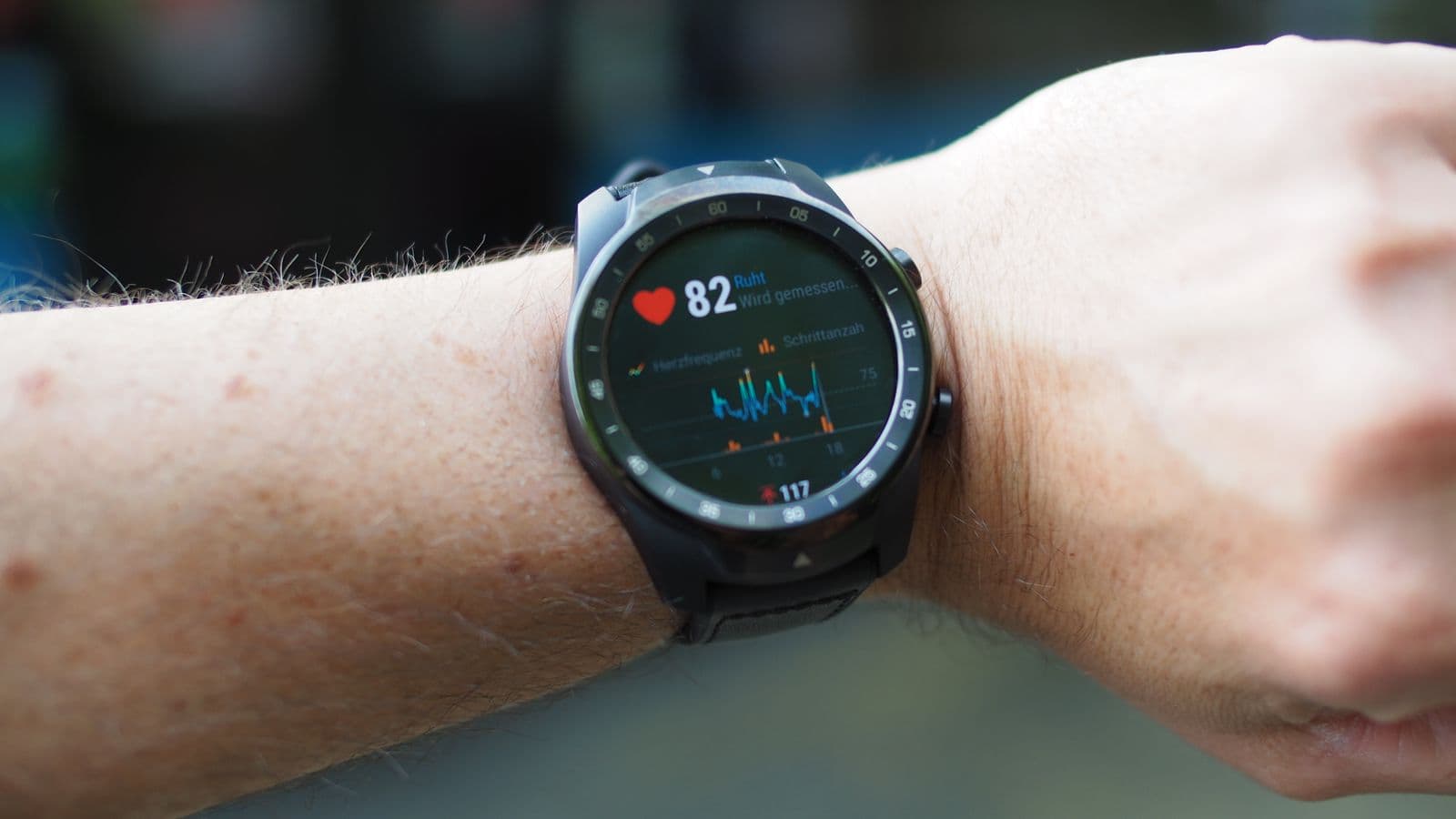
A once-a-year health checkup tells you your blood pressure was fine on the one morning you walked into the clinic. It cannot tell you it spiked every afternoon for the past three months. That is the whole case for a smartwatch: a Fitbit or an Apple Watch is not smarter than a doctor, it is just always there. It catches the resting heart rate creeping up, the irregular beat at 2am, the trend a single annual snapshot would miss.
Buildings are no different, and most of them are still getting the once-a-year checkup. Continuous monitoring is the smartwatch they are missing.
In short
- An annual energy audit is a single snapshot; a building's actual performance drifts continuously between audits.
- Continuous monitoring works like a smartwatch: not smarter than a full checkup, just always watching.
- It catches slow drift, like a creeping baseload or a setpoint sliding out of range, that a once-a-year check would miss entirely.
- Continuous monitoring complements the BMS rather than replacing it, since the BMS controls while the monitoring layer explains and flags.
The annual audit is a snapshot, and buildings don't hold still
Most facilities are assessed the way we used to assess our health: now and then. An energy audit once a year. A maintenance inspection each quarter. A meter read at month-end. Each is a snapshot, accurate for the moment it was taken and blind to everything between.
A building does not hold still between snapshots. Its load swings through the day and the week. Equipment drifts out of tune, a chiller short-cycles, a fan runs harder than it should, a setpoint gets nudged and never put back. By the time the next audit comes around, months of waste and a brewing fault have already happened, and the audit can only tell you where you ended up, not when it started or why.
Maximum demand is the sharpest example. Under TNB's tariff, a single half-hour peak sets a charge you pay for the whole month. A yearly audit will never catch the afternoon that set it. Only something watching all the time can.
Continuous monitoring is the building's smartwatch
A smartwatch helps not because any one reading is profound, but because the readings never stop. It learns what normal looks like for you, notices the moment something deviates, and tells you while you can still do something about it.
Continuous monitoring does the same for a building. Sensors and meters across the site feed a live picture of energy, demand, indoor air quality, water and equipment behaviour. The system learns the building's normal rhythm and flags what breaks it: the base load that stays high after hours, the motor pulling more than its rating, the humidity climbing where it should be falling. Instead of finding a problem at the next audit, the team sees it form.
The payoff is the same as it is in health. Early. A fault caught as a trend is a maintenance ticket. The same fault caught at failure is an emergency and a much bigger bill. Energy waste caught this week is fixed this week, not paid for across a year.
What "always on" actually catches
A few of the things continuous monitoring surfaces that a periodic check cannot:
- Demand peaks as they build, so you can shave them before they set the month's charge instead of reading about them on the invoice.
- Drifting equipment. A chiller losing efficiency, a fan working against a blockage, a pump starting to cavitate. Each shows up as a slow change in the data long before it shows up as a breakdown.
- After-hours waste. The lights, air handling and plant that never switched off, which a daytime walk-through never sees.
- Air quality and humidity trending out of range, often the first sign of a mechanical fault on the air side rather than just a comfort niggle.
- The effect of a change, good or bad, measured against the building's own baseline instead of guessed at.
We see this on real sites. On one hotel retrofit, putting the fan motors on drives and live readings turned a vague "it feels warm" complaint into a specific air-side fault: a leak in the ducting letting humid air in and pushing duct humidity above 70%, enough to drive the fans flat out and still fall short on cooling. The old fixed-speed setup had brute-forced past it for years, and no annual inspection had ever flagged it. (See the Marriott retrofit.)
Where the BMS and CobiNeural come in
The building automation system is the body. Continuous monitoring is the smartwatch on top of it. A BMS already runs the plant: the chillers, pumps, air handling and the rest. CobiNeural sits over it, and over existing meters, PLCs and SCADA, and turns all of that into a continuous, watched record: energy and maximum demand at fine resolution, indoor air quality, water and equipment health, with alerts the moment something drifts out of range.
That pairing is what makes monitoring useful rather than merely present. The BMS can act on what the monitoring sees, staging plant, shifting load, holding a setpoint, so a deviation is not just noticed but corrected. And because the record is continuous and documented, it doubles as the evidence base for EECA-aligned reporting and ISO 50001, both of which expect ongoing measurement, not an annual glance.
From yearly checkup to always-on
Nobody would trade their smartwatch for a single yearly trip to the doctor and call it better care. Buildings deserve the same logic. The annual audit still has its place, the way an occasional full physical does, but it cannot be the only time anyone looks. A building that runs every hour needs to be watched every hour.
If you want to see this on your own bill, our free maximum demand calculator estimates the charge from your kW and tariff. For how a BMS senses, decides and controls a building, see our free course Building Automation & BMS Fundamentals.
If your building is still on the yearly-checkup model, continuous monitoring is the upgrade that pays for itself in problems caught early. Book a demo to see your own building's live picture.
FAQ
Frequently asked questions
Ask us about this topic
Something in this article you want to dig into — or a situation in your own building it doesn't quite cover? Send us your question. We don't run public comments; the team replies to you directly by email.